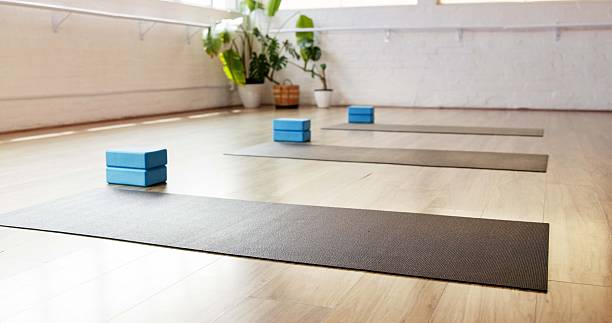
A consistent yoga routine depends on more than motivation and a good sequence. The surface you practice on can quietly shape everything from your joint comfort to your balance, alignment, and even your willingness to step onto the mat every day. If the ground feels too slippery, too hard, or unstable, your body compensates in ways that can reduce the quality of your practice over time.
Choosing the perfect surface is not about buying the most expensive option. It is about matching your practice style, your space, and your body’s needs to a surface that supports safe movement and reliable traction. When you select wisely, your daily yoga becomes more sustainable, comfortable, and enjoyable.
Understand Why the Surface Matters for Safety and Progress
The right surface gives you predictable grip and stable feedback, which is essential for building strength and refining posture. When traction is inconsistent, you may tense your hands, curl your toes, or shorten your stance to avoid slipping. These small adjustments can limit range of motion and reduce the benefit you get from foundational poses.
A well-chosen surface also helps protect wrists, knees, hips, and the spine. Daily practice adds up, and repeated pressure on a surface that is too hard can lead to discomfort, while an overly soft base can create wobble that strains stabilizing muscles. A balanced surface supports joint comfort without taking away the firmness your alignment depends on. Creating supportive wellness spaces is equally important in environments designed for long-term comfort and mobility, particularly in modern living communities that prioritize safety, accessibility, and healthy daily routines.
Match Your Yoga Style and Sweat Level to the Right Texture
Different yoga styles place different demands on the ground beneath you. Slow, alignment-focused practices often benefit from steady, moderate grip, while vigorous flows require a surface that holds up under quick transitions. If you sweat easily, you will need texture that stays reliable when damp, because moisture is one of the most common reasons practitioners lose confidence in weight-bearing poses.
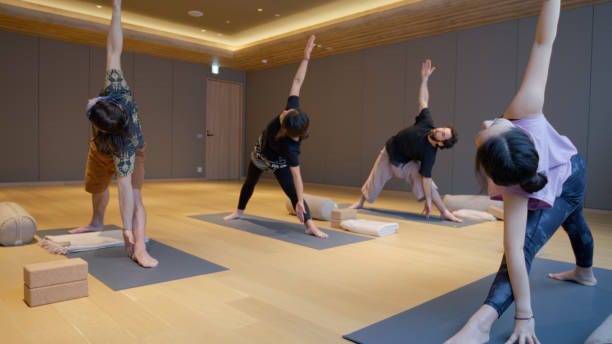
Material feel and finish matter here as much as thickness. Some people prefer a softer, cushioned touch, while others want a drier, more tactile surface for control. If you are comparing options while shopping for a yoga mat online, prioritize texture descriptions that emphasize consistent traction, especially for hands and feet during dynamic sequences.
Choose the Ideal Thickness for Comfort Without Losing Stability
Thickness influences how supported your joints feel and how stable your balance becomes. A thicker surface can reduce pressure on knees during kneeling poses and improve comfort in seated work, but too much cushion can make it harder to root down evenly, particularly in standing balances. This is especially noticeable when you are building steadiness in poses that require precise foot placement.
For daily practice, your best choice is often a thickness that offers cushioning without turning the surface into a soft mattress. If you tend to feel wrist fatigue, a slightly thicker surface or a supportive layer underneath can help. If balance is your priority, a firmer feel usually improves stability and helps you sense alignment more clearly.
Consider Your Practice Location: Home Floors and Outdoor Spaces
Your floor type changes how your surface performs. On hardwood or tile, slipping can come from the floor beneath the mat rather than the mat itself. In these cases, a surface with a non-slip base becomes just as important as a grippy top layer, because stability depends on both sides working together.
Outdoor practice introduces additional variables such as temperature, dust, and uneven ground. If you practice on grass, the softness can feel pleasant, but the unevenness may compromise alignment. On concrete, you may need more cushioning and durability. Matching the surface to where you actually practice most often helps you avoid buying something that performs well in theory but poorly in your real routine.
Check Durability, Hygiene, and Long-Term Maintenance Needs
Daily yoga surfaces should withstand repeated pressure, friction, and cleaning without breaking down quickly. Durability is not only about lifespan; it also affects performance. When a surface begins to peel, compress, or lose texture, traction becomes less predictable. This can impact confidence in transitions and increase the risk of small slips.
Hygiene matters just as much for daily use. Some materials absorb moisture and odors more easily, while others wipe clean with minimal effort. If you practice frequently, choose a surface that fits your cleaning habits realistically. A low-maintenance option that you actually clean regularly is often healthier and more pleasant than a high-maintenance option that you avoid caring for.
Balance Eco Preferences, Material Sensitivities, and Comfort
Many practitioners also consider sustainability and skin comfort when choosing a yoga surface. Some materials are known for being more eco-conscious, while others prioritize durability or cost. Your personal values can be part of the decision, but it helps to ensure the surface still meets practical needs like grip and easy upkeep.
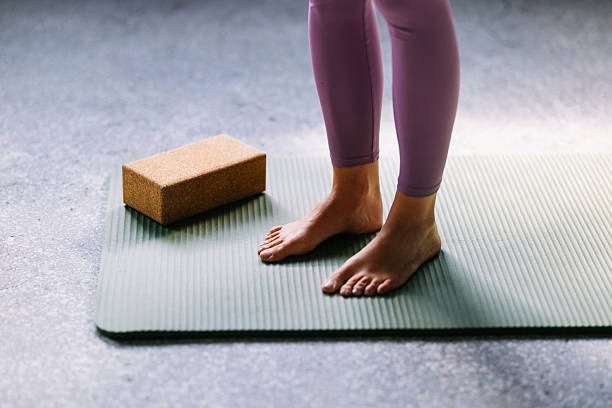
If you have sensitivities, pay attention to how the surface feels against your hands, feet, and face during restorative poses. A surface that feels “fine” for a short session may feel irritating during longer daily practice. Comfort is not a luxury in this case; it is a factor that influences consistency, and consistency is what creates progress over time.
Test Practical Details: Size, Portability, and Surface Compatibility
The best yoga surface is one you can use without constant adjustment. Size matters if you are tall, have a wider stance, or simply enjoy more space during transitions. A surface that is too narrow can cause repeated stepping off the edge, which disrupts focus and may make certain sequences feel cramped.
Portability is also important if you switch rooms, travel, or attend classes. Heavier surfaces often feel stable, but they may discourage you from moving your setup. Finally, consider compatibility with extra layers such as rugs or carpet. Some surfaces grip poorly on carpet, while others perform well. The ideal choice supports your routine instead of making it feel complicated.
Conclusion
Choosing the perfect surface for daily yoga practice comes down to traction, stability, comfort, and the reality of how and where you practice. When the surface matches your yoga style, sweat level, and space, your body can relax into the work instead of guarding against slips or discomfort. Over time, that translates to better alignment, stronger holds, and a more enjoyable daily ritual.
A thoughtful choice also saves money and frustration, because you will not need to replace the surface quickly or compensate with constant add-ons. Treat the surface as part of your practice foundation. When it supports you consistently, it becomes easier to show up every day with confidence and calm focus.