Modern senior living homes have moved far beyond the basic idea of a place to stay. Today, the best communities are designed around comfort, safety, health support, and meaningful daily living. For seniors, that can mean fewer worries about chores and emergencies. For families, it often means peace of mind, transparency, and reliable care systems. This guide breaks down the most common facilities and amenities you will find in modern senior living homes and how to evaluate what actually matters.
Accommodation Types and Living Layouts
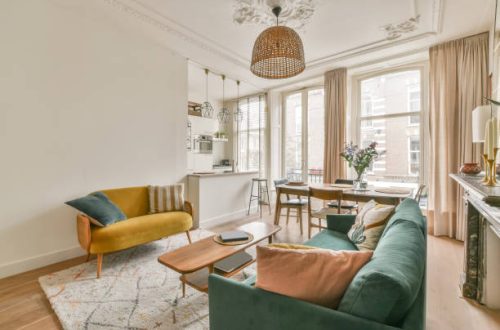
A senior living home may offer multiple living options depending on independence and care needs. Some communities provide private rooms, while others offer studio-style units or apartments with a small kitchenette. Shared rooms can also exist, often at a lower cost. When assessing layouts, look for ventilation, natural light, accessible bathrooms, anti-skid flooring, wide doorways, and minimal steps. Storage, seating comfort, and easy access to common areas also make a big difference in day-to-day convenience.
Dining, Nutrition, and Special Diet Support
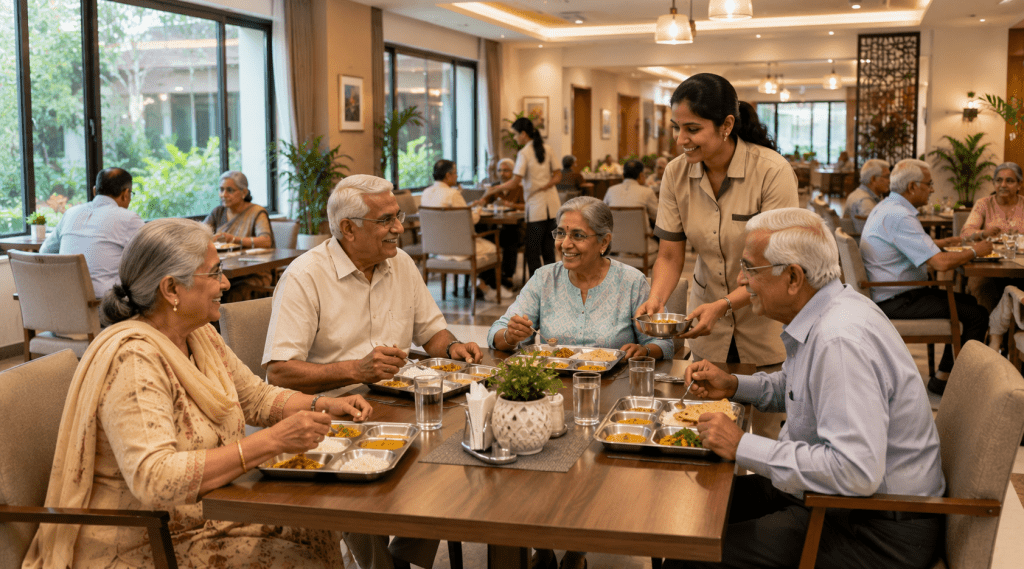
Food is one of the most important amenities because it affects energy, mood, digestion, and chronic health conditions. Most modern communities provide regular meals, hydration support, and diet planning. Many also customize menus for diabetes, hypertension, renal needs, or softer textures for chewing difficulties. When evaluating an old age home in Gujarat, ask how meals are planned, whether a nutritionist is involved, and how the staff tracks appetite changes. Good dining facilities are not only about taste, but also hygiene, variety, and consistency.
Medical Care, Nursing, and Emergency Response
Healthcare access is a core feature in senior living. Communities may provide on-site nurses, scheduled doctor visits, vitals monitoring, medication management, and coordination for hospital appointments. Emergency preparedness is equally critical, including ambulance tie-ups, response protocols, and staff trained in first aid. Ask whether medical support is available 24 hours, how emergencies are handled at night, and how families are updated. A strong health system should feel organized and proactive rather than reactive.
Safety, Security, and Accessibility Features
Safety features are often what separate modern senior living from regular housing. Look for grab bars in bathrooms, ramps, handrails, proper lighting in corridors, non-slip flooring, and emergency call buttons. Security usually includes controlled entry, CCTV coverage in common areas, visitor management, and staff presence around the clock. Fire safety systems, evacuation plans, and safe electrical fittings are also essential. These details reduce risk and help residents feel confident moving around independently.
Housekeeping, Laundry, and Maintenance Services
Daily chores can become tiring or unsafe with age, especially tasks like mopping floors, washing heavy laundry loads, or handling repairs. Most modern senior living homes include housekeeping, linen changes, laundry support, and basic maintenance. Clarify how often rooms are cleaned, what is included versus charged separately, and how quickly repairs are addressed. Reliable housekeeping not only improves comfort. It also reduces infection risks and helps maintain a clean environment for residents with respiratory or immunity concerns.
Wellness Amenities and Fitness Options
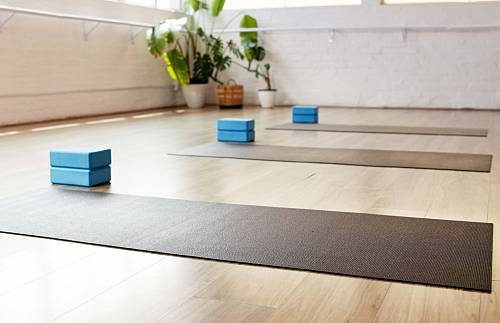
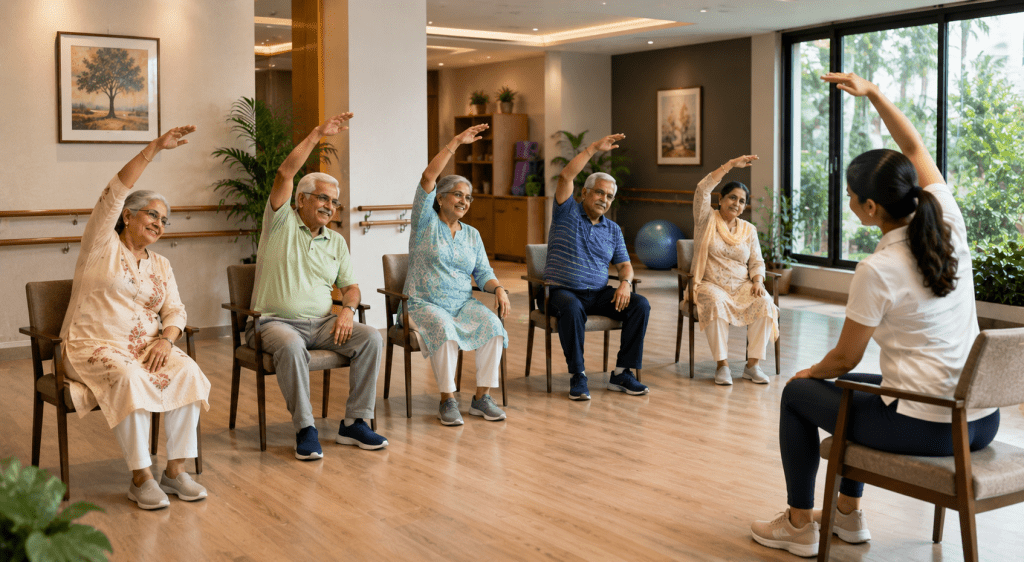
Wellness amenities help seniors stay active and mobile. Depending on the community, this may include walking paths, yoga or stretching classes, physiotherapy support, light gym equipment, and fall prevention exercises. Some communities also offer meditation sessions, stress management programs, and regular health camps. When evaluating fitness options, focus on whether the programs are senior-appropriate, supervised when needed, and adaptable for mobility limitations.
Recreation, Social Life, and Community Activities
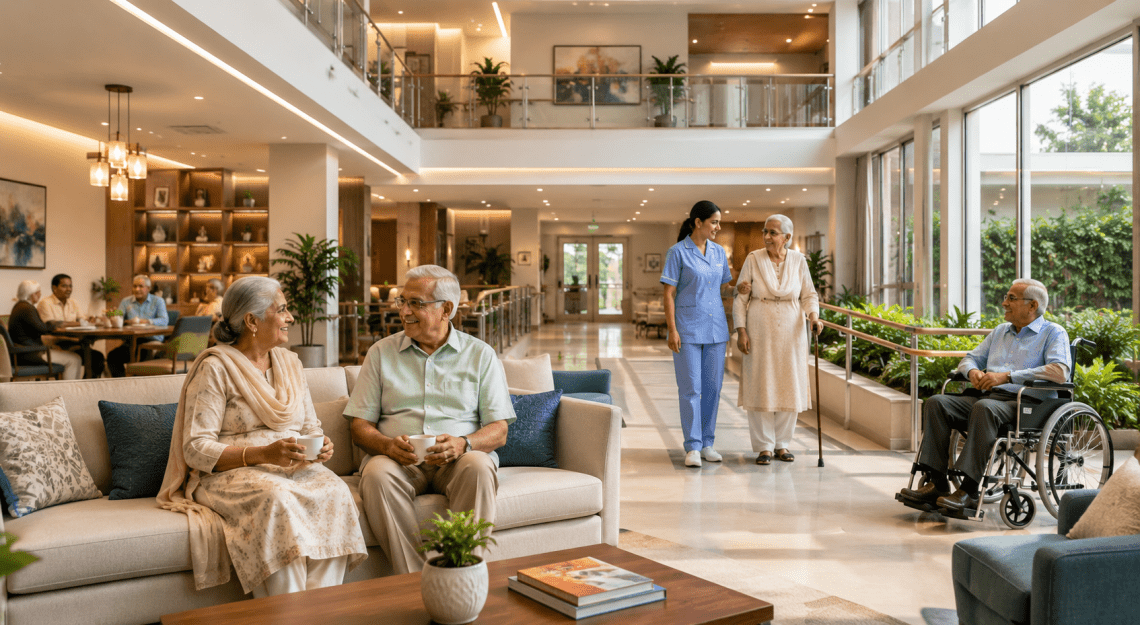
Modern senior living aims to support emotional health through connection and engagement. Common amenities include activity rooms, libraries, gardens, indoor games, group celebrations, movie screenings, and hobby clubs. Social calendars often include cultural programs, devotional sessions, and outings when feasible. The best communities create spaces where residents can participate without pressure and still enjoy privacy when they prefer. A strong activity program can prevent boredom and reduce loneliness, especially for seniors who previously lived alone.
Technology, Comfort, and Daily Convenience
Many communities now add technology to improve safety and convenience. This can include emergency call systems, video calling support, Wi-Fi, app-based family updates, and digital health records. Comfort amenities may include air-conditioned common areas, power backup, lifts, transport support, and accessible seating in shared spaces. Even small conveniences like on-site salons, visiting vendors, or a small shop for essentials can reduce the need for stressful travel and errands. For more insights on modern lifestyle, comfort living, and wellness solutions, visit this resource.
Conclusion
A modern senior living home should offer more than a list of facilities. It should provide a reliable system that supports safety, health, comfort, and dignity every day. When comparing options, focus on how services are delivered, how staff respond to needs, and whether residents truly have both independence and support. The right amenities are the ones that match a senior’s lifestyle and health requirements while creating a calm, connected environment for the years ahead.