Fine jewelry doesn’t need a special occasion to feel “allowed.” The easiest way to wear it daily is to treat it like part of your wardrobe system, just as practical as a great bag or a favorite pair of shoes. When you stop saving pieces for someday, you start learning how pieces behave with different necklines, temperatures, and moods. Confidence comes from repetition, not perfection, and the goal is to build combinations you can reach for without overthinking.
Pick one everyday anchor
A reliable “anchor” piece makes getting ready simpler because it sets the tone for everything else. Many people choose something that sits close to the face, since that’s what others notice first in conversation. When you commit to an anchor, outfits look finished even when you’re wearing basics, because there’s always one detail that feels intentional.
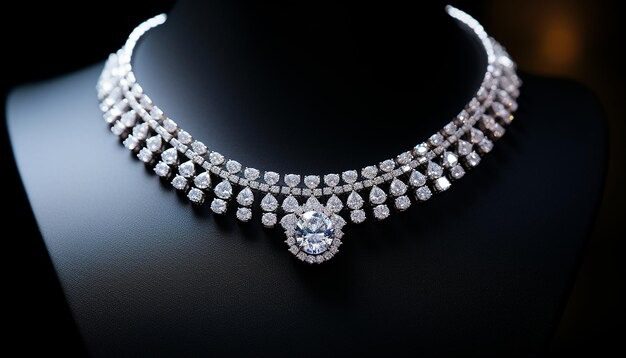
For a quick starting point, consider the Reia lab-grown diamond necklace and wear it consistently for a week to learn what necklines and layering lengths feel best on you. If you catch yourself forgetting you’re wearing it, that’s a good sign; it means the piece fits your real life, not just a special occasion.
Keep one focal point at a time
Daily confidence comes from restraint. If you go bold in one area, sparkly earrings, a ring with presence, or a thicker chain, let everything else be supportive. This doesn’t mean wearing less; it means letting your choices have a clear hierarchy so the overall look feels calm rather than competitive. If you’re looking for inspiration, take a moment to explore diamond jewelry styles that highlight one standout piece while keeping the rest refined.
A practical way to do this is to pick your focal zone: ears, neckline, or hands. Then build around it with simpler shapes, smaller stones, or thinner bands. When the eye knows where to look first, the styling reads polished instead of accidental.
Let your undertone lead the finish
Instead of matching metal color to every outfit, match it to your skin’s undertone, so it looks harmonious across your whole closet. Cool undertones often look crisp with white metals, while warm undertones can glow with yellow tones. If you’re neutral, you may find that softer finishes and gentle mixes look especially natural.
Try comparing two pieces in daylight and notice what happens to your complexion. The right finish tends to make your skin look clearer and more even, which boosts confidence immediately because the jewelry appears to “belong” rather than sit on top of the look.
Create a clean line at the neckline
Necklaces look most confident when they create a clear line that works with your top. Rather than automatically stacking multiple chains, choose one strong path: a single pendant length that frames the face, or one smooth chain that echoes the shape of your neckline. This keeps the look refined and reduces tangling during the day.
If you do wear more than one necklace, keep the shapes distinct so they don’t blur together. One simple chain plus one defined element reads intentional, while several similar layers can look cluttered, especially with textured fabrics or structured collars.
Balance jewelry with sleeves and fabric
Clothing details decide how jewelry should “land.” Open necklines invite a more visible necklace, while high necks often pair better with longer lines or earrings that draw attention upward. Sleeves matter too: long sleeves can hide bracelets or create friction, while short sleeves make a watch-and-bracelet pairing feel clean and complete.
Fabric texture is the quiet factor most people miss. Chunky knits already add visual weight, so smoother jewelry often looks better with them. Sleek fabrics like fine cotton or satin can handle more shine without looking busy, which helps you look put together without adding effort.
Build a small, repeatable rotation
An everyday jewelry wardrobe works like a capsule: fewer pieces, more combinations. Create a rotation for three scenarios busy days, polished days, and relaxed days, so you’re never styling from scratch. Your “busy” set might be studs, one chain, and one ring; your “polished” set might add a bracelet or bolder earrings; your “relaxed” set might focus on comfort-first pieces.
Pay attention to what you avoid wearing and why. If a clasp is annoying, if a stone catches, or if something feels too precious for your routine, it doesn’t deserve daily space. Confidence grows fastest when your favorites are also the easiest to wear.
Stack rings using shape contrast
A ring stack can look modern and personal without feeling loud, as long as you use shape variety rather than piling on identical bands. Combine one smooth band, one textured band, and one ring with a subtle stone or motif. Varying widths creates a curated look, and it also makes the stack easy to scale up or down.
Comfort should lead every choice, especially if you type, cook, or carry bags often. Low profiles and smoother edges tend to feel better for long wear, and that comfort translates into confidence because you stop adjusting your hands and start moving naturally.
Add one personal detail for meaning
A single meaningful element makes fine jewelry feel like part of your identity rather than just an accessory. It might be an initial, a motif tied to a memory, or a ring that marks a milestone. One personal detail also becomes a styling shortcut, because it can serve as your consistent “signature” even when the rest of your look changes.
If you like staying current without chasing every release, you can take light inspiration from global jewelry trends and filter them through your own preferences. When you keep only what fits your lifestyle and comfort level, you get a fresh look that still feels authentic.
Protect your pieces with simple care habits
You’ll style jewelry more confidently when you trust it will hold up. Build quick habits: remove pieces before heavy cleaning, store items separately to prevent scratching, and check clasps or posts occasionally. A soft cloth wipe after wear keeps metals bright and stones clear without turning maintenance into a chore.
Also, plan for your day. If you’ll be active, pick low-profile pieces that won’t snag, swing, or demand constant adjusting. When your jewelry behaves well, you stop thinking about it, and that’s exactly when it looks most natural.
Conclusion
Styling fine jewelry every day is less about rules and more about building a system you can repeat. Choose an anchor, keep one focal point, and let your clothing’s lines guide how much you wear and where it sits. When you prioritize comfort, balance, and small personal touches, your jewelry stops feeling like an “extra” and becomes a steady part of who you are. With a few dependable combinations, getting dressed becomes faster, and the confidence you want shows up automatically.